
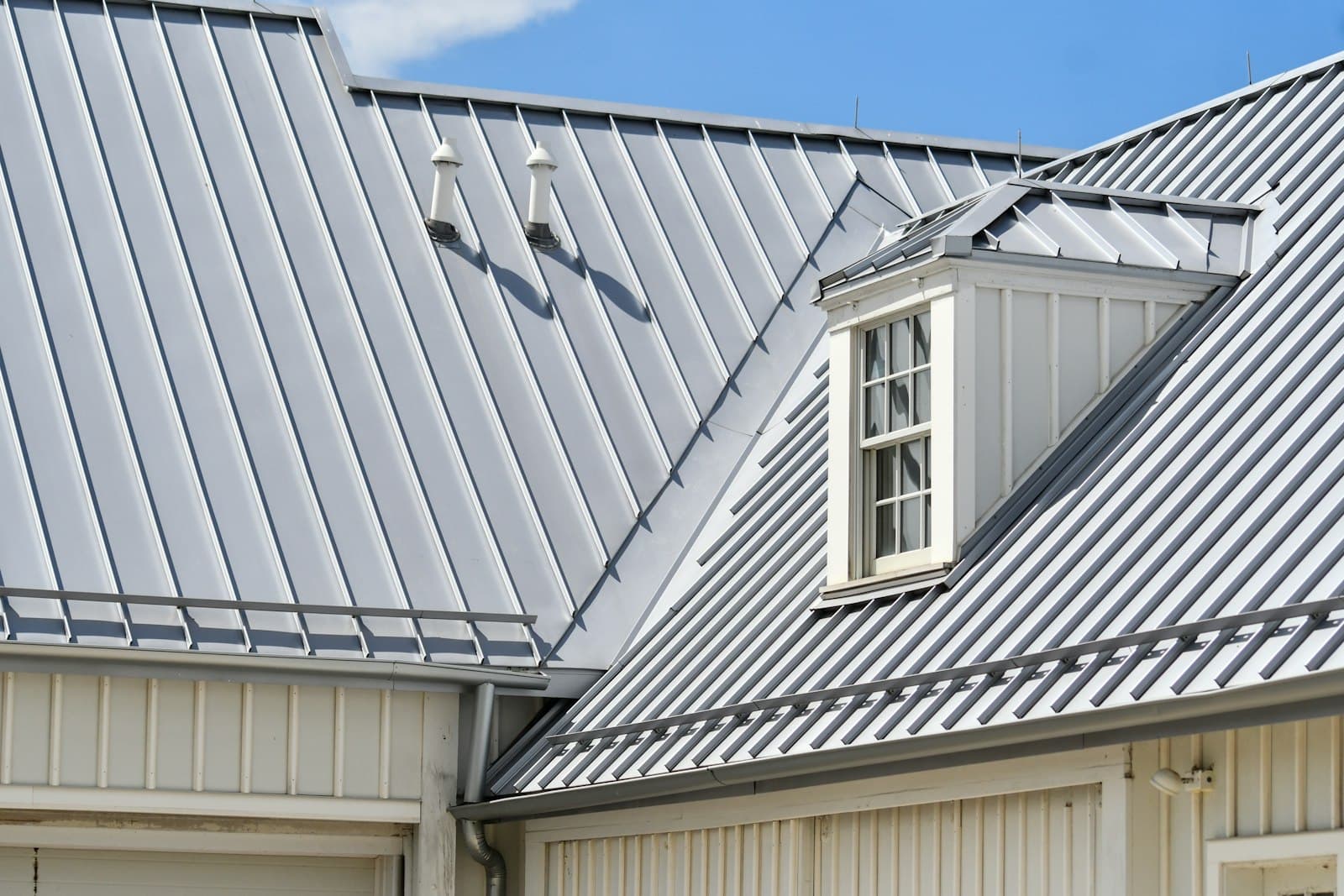
When the last roof of the fall is done, the phone goes quiet. Someone at the shop says it's time to knock doors again, or to wait for the next hailstorm.
There's a third way. Some homeowners replace an old roof by choice, pay for it themselves and shop around before they call. That's retail roofing, and this guide sticks to it.
Where do retail roofing jobs come from?
From six places you can work on in a slow month:
- Google Maps and your Business Profile, for "roofer near me" and searches for your name.
- Past customers, and the neighbors who watched your crew.
- Project pages that show finished roofs near the reader.
- Reviews, which people read before they decide who comes out to measure.
- Paid leads, from Google's Local Services Ads or lead sites. The calls end with the budget.
- AI answers, which lean on the same websites and profiles.
First find out which of these already brings you roofs. A simple lead log asks every caller how they heard of you, then follows each one to a contract or a no.
How to get roofing leads from your Google profile
Make the profile say exactly what you do.
- Primary category. Type "roof" into the box and pick the closest match, usually "Roofing contractor". Google says categories affect local ranking, and you can't create your own.[1] Adding or changing one may mean verifying your business again.[1]
- More categories. Only for a real part of the business, like gutters. Google asks you not to add one for every service.[1]
- Services. Roof replacement, roof repair and each material you install, as separate entries. Google says to avoid prices and phone numbers in custom service names, and it automatically rejects custom services that break policy.[2]
- Photos. Google's tips ask for at least three photos at work that show your services.[3] See job photos that help you get calls.
- Service area. Up to 20 areas, and Google's tips say the whole area shouldn't stretch past about two hours' drive from your base.[4]
Google says local results rest mainly on three things: a good match for the search, being close by and being well-known.[5] Reviews and links from other sites count toward that last one.[5]
If your company doesn't show on the map at all, fix that first. If a competitor sits above you, compare their category, services and reviews with yours.
This week, check the category and add every roof type you install as its own service.
What should a roofing project page show?
One finished roof, the way a neighbor would ask about it: where, what came off, what went on and how long it took.
54% of consumers visit a business's website after reading positive reviews, up from 32% in 2019.
Source: BrightLocal Local Consumer Review Survey · (opens in a new tab)
A page per finished roof gives that visitor something real to check.
One project page for a roof replacement in Boise
- Headline: shingle roof replacement on a two-story house in north Boise.
- Found: two layers of old shingles and soft decking by the chimney.
- Done: both layers off, soft decking replaced, a ridge vent added, architectural shingles on.
- Time: two days on the roof, half a day for cleanup and the walkthrough.
- Photos: before and after from the street, posted with the homeowner's OK and no house number.
Illustrative example
Give each material its own service page and add the project pages under it. How to write a service page shows the layout.
On the replacement page, put a price range from recent roofs, with the month you checked it. Then say what moves it: size and pitch, material, layers torn off and decking replaced.
This month, write one project page for the last roof you were proud of.
How do you get more reviews from finished roofs?
Ask every homeowner, every job, and let them write what they want. Mention it at the final walkthrough, then text the review link that evening.
For trades and home services, star ratings and review counts carry more weight than in any other industry, and 36% of trade customers weigh clear pricing or deals (vs 30% overall).
Source: BrightLocal consumer search behavior study · (opens in a new tab)
Google's Maps policy bars offering money, discounts or free work for a review.[6] It also bars discouraging bad reviews, asking only happy customers, and requiring or pressuring anyone to write one on the spot.[6]
The policy also rules out asking for specific content, or giving staff a set number of reviews to collect.[6] So "please mention the metal roof" is out, and so is a quota for the crew.
When you reply to a review, name the work yourself, like the tear-off and the new shingles, and leave the address out. How to ask for Google reviews has wording that stays inside the rules.
Today, save the review link as a text shortcut on the phone of whoever runs the walkthrough.
How do you get more roofs from past customers and referrals?
Stay in touch once a year, with something useful. I'd skip the monthly mailer, because a roof isn't something people buy often.
- One list: name, address, roof type, install date and warranty, from your invoices.
- One note a year, near the roof's anniversary: what the warranty asks of them, and an offer to look if something changed.
- One line at the end: if a neighbor is thinking about a roof, here's how to reach you.
- A yard sign during the job, with the homeowner's OK and within any HOA rules.
If the note goes by email, the FTC's CAN-SPAM guide says the law covers all commercial email. Among its rules: honest sender and subject lines, a clear sign it's an ad, your postal address, a way to opt out, and opt-outs honored within 10 business days.[7]
This winter, pull your past invoices into that list, newest first.
Are Local Services Ads and bought leads worth it for a roofer?
They can be, if you judge them by roofs sold, not by leads.
Roofers are on Google's list of Local Services Ads categories, so check whether your area is eligible.[8] You pay for each valid lead, like a call you answer or a message.[9] A missed call in business hours counts too, if the caller stays on past 20 seconds.[9]
Google says a lead's price can vary with your location, the job type, the lead type and your bidding mode.[9] Google is moving these ads into Google Ads, starting with some US roofing advertisers in August 2026 and then, in late 2026, service-area businesses with no storefront.[10]
Our guide to Local Services Ads covers the move and Google's screening. With a lead site, first ask how many other roofers get the same request, and how you get credit for a bad one.
A month of paid leads for a roofer in Raleigh
- Leads charged: 18. Reached the homeowner: 14.
- Right job, inside your area: 9. Roofs quoted: 6. Roofs sold: 2.
- Divide the month's bill by those 2 roofs. That's what each sold roof cost you from this source.
Illustrative examplemade-up numbers · use your own
Run the same count for referrals and your profile, then compare.
Where do AI answers fit for a roofer?
On top of everything above. When a homeowner asks an AI assistant for a roofer, the answer often leans on business websites and Google profiles.
Business websites supply 42% of the ~1.97M citations in local AI answers (ChatGPT, Google AI Mode, AI Overviews); Google Business Profile ~29%.
Source: BrightLocal local AI visibility study · (opens in a new tab)
Google says there are no extra requirements to appear in AI Overviews or AI Mode. Its list of basics that still apply includes an up-to-date Business Profile.[11]
So start with the groundwork. Once a month, ask an AI assistant a homeowner's question with your town in it, and note who gets named. SEO or AI search for roofers explains the order.
What should you set up before spring?
Quick fixes first, then the parts that take weeks:
- This week: category, services and service area, and the lead log.
- This month: photos from your last ten roofs, your first project page, and the review link to this year's customers, a few each week.
- Next month: a page per material, a dated price range and a second project page.
- Before spring: the past-customer list, with anniversary notes on the calendar. Then decide on paid leads, with your lead log in hand.
When real roofs keep pushing all this to next week, the Found Sprint ($1,500 fixed) does up to 10 fixes from our Complete Visibility Report, within 30 days once we have access and an agreed scope. Our roofing page shows what we check and fix for a roofer.
What this guide leaves out, and what you can't control
It leaves out storm chasing and insurance-claim work on purpose. That work follows the weather and the insurer, not the homeowner's own plans.
Google decides who shows on the map, and AI answers can change from one run to the next. Google says there's no way to request or pay for a better local ranking.[5] Local SEO for home service companies covers the map side.
Your part is the groundwork. It builds slowly, so judge each source over a full season. The Google and FTC pages cited here were checked on October 27, 2026.