
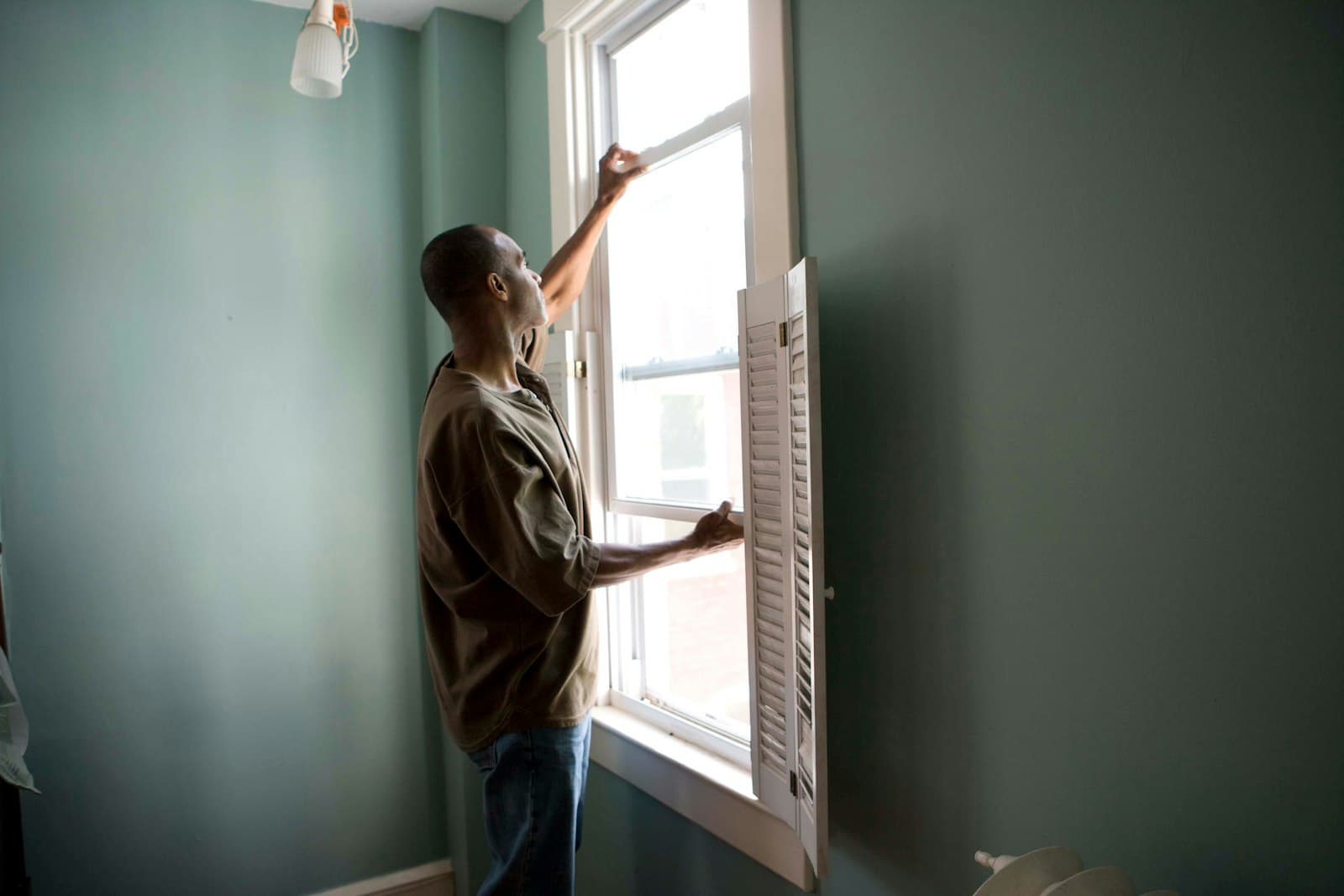
A homeowner in Des Moines fights the same sash every fall. It sticks halfway, the draft comes in around the frame, and this year he decides to replace every window. ENERGY STAR's buying tips tell him to get quotes from at least three installation companies.[1]
A shared lead sends his request to you and to other companies at once. Here's where else window jobs come from, and what he checks before he calls.
Where do window replacement leads come from now?
From a handful of places, and paying for leads is only one of them.
- Your Google profile and the map. Google lists three main factors for local results: relevance, distance and prominence, meaning how well known you are.[2] Reviews and links from other websites count toward prominence.[2] It also says there's no way to request or pay for a better local ranking.[2]
- Past customers and referrals. People who own your windows, and the friends they send. Ask each customer when the job closes, and give them a page to forward.
- Maker and utility lists. If the brand you install runs a find-a-dealer page, homeowners can find you there. ENERGY STAR also notes that some local utilities keep pre-screened lists of installers who know local rebates.[1]
- Paid leads. Shared or exclusive, per lead or per click. They're fast, and they stop when you stop paying.
- AI answers. Some homeowners ask an AI assistant which window companies to call.
Most people who ask an AI assistant keep checking after it answers:
Only 18% of consumers who use AI for local search felt ready to contact the business it recommended; the rest kept researching on Google and other channels.
Source: BrightLocal consumer search behavior study · (opens in a new tab)
Before your next estimate, search "window replacement" plus your town on your phone, and note where you show on the map. Then check the maker's dealer page and your utility's list.
Are shared window leads worth paying for?
Sometimes, and only signed jobs can tell you. A shared lead is one homeowner's request sold to several companies, so you start out on a short list you didn't pick.
75% of consumers pick a local business within 30 minutes; 72% compare three or fewer.
Source: BrightLocal consumer search behavior study · (opens in a new tab)
That survey covered all local businesses, not just windows.
One month of shared leads for a window company in Des Moines
- Bought: 40 shared leads at $60 each, $2,400 in all.
- Reached by phone: 15. In-home estimates: 6. Signed: 1 job.
- Cost per signed job: $2,400, before your estimator's time.
- Referrals that month: 3 calls, 2 estimates, 1 signed, no lead fee, just your time asking.
- Compare sources by cost per signed job and job size, never by lead count.
Illustrative examplemade-up numbers · use your own
Log every lead from the first call: source, estimate, signed or not, job size. The kitchen and bath version of this guide lists questions to ask a lead seller. Our break-even examples compare paying per lead with paying for SEO.
What does a homeowner check before booking a window estimate?
Whether you sell what he wants, and whether you'll pick up when a seal fails in year six. ENERGY STAR tells buyers to check the installer's license and ask whether the crew is in-house or subcontracted.[1] It also says to get each window's U-factor and SHGC in the contract.[1]
U-factor is how fast heat escapes, and SHGC (solar heat gain coefficient) is how much of the sun's heat gets in. For both, ENERGY STAR says, lower means less heat gets through.[1] Put these on your window page, in text:
- The lines you install. Each product line as the maker spells it, and the frame materials you sell: vinyl, fiberglass, wood or composite. Only what you carry today.
- The ratings. U-factor and SHGC for each line and glass package you sell, and which ENERGY STAR climate zone your towns sit in.[1]
- The warranty in plain words. ENERGY STAR lists three: the product, the glass seal and the installation, and each can run a different length of time.[1] Say who covers which, and whether your own crew installs.
- License and insurance. The FTC tells homeowners to confirm a license with the state or county and to ask for proof of insurance.[3] Show your number if your work needs one.
- Lead-safe status. EPA says firms can't advertise or perform covered work in homes built before 1978 without firm certification.[4] It adds that window replacement is always covered, regardless of square footage.[4] State yours only if you hold it.
- Your own install photos. The town, the line and a before shot. How to photograph a job covers the shots.
What a homeowner can verify about you shows where each proof goes, and our page for window and door companies lists what buyers ask. Open your window page on your phone and tick off each line.
What should your site say now that the tax credit has ended?
Nothing about a federal credit for windows installed after 2025. The IRS says you can claim the energy efficient home improvement credit for improvements made through December 31, 2025.[5]
Old lines linger on banners, FAQs, financing pages and maker flyers. Even ENERGY STAR's buying tips, dated April 2024, mentioned the credit when we checked.[1] Search Google for site:yourdomain.com "tax credit" (the site: part keeps the results to your own site), then "25C" and "IRS", and reread your Google profile.
Replace each with something still true. Give the cost of windows like his on your recent jobs, and the ratings of what you install. Mention a utility rebate only if his utility runs one, and send tax questions to the IRS page or his tax preparer.
Don't swap the credit for a promise about his bills. In 2012 the FTC settled with five window companies over energy-saving claims.[6] In some cases, the FTC alleged, they claimed replacement windows alone could cut energy bills in half.[6]
Its proposed orders required scientific evidence that all or almost all buyers would likely reach any "up to" savings figure.[6] Give the ratings instead, and let him compare.
Which window pages are worth writing?
Three, built on questions you already answer at the kitchen table.
- Insert or full-frame replacement. An insert fits inside the old frame and usually leaves the trim in place. Full-frame goes out to the rough opening, so you can see and fix rot. Say when you'd pick each and what it does to trim and price.
- A cost range. What your usual window job costs, from your recent invoices, with the month you checked, and what moves it: frame, size, glass, install type, lead-safe work.
- One page per line you carry. Not every series in the maker's catalog. Take down logos and pages for lines you no longer sell.
Of the three, the cost range takes the most nerve to publish, but more trade customers than average weigh clear pricing or deals:
For trades and home services, star ratings and review counts carry more weight than in any other industry, and 36% of trade customers weigh clear pricing or deals (vs 30% overall).
Source: BrightLocal consumer search behavior study · (opens in a new tab)
How to write a service page has a layout that works for all three. Write the insert-or-full-frame page first, in the words you use at estimates.
How do you get reviews that mention the windows?
Not by asking customers to name the windows. Send everyone the same request, and leave the words to them. Google's policy says merchants shouldn't request that specific content be included in a review.[7]
Google's own tips suggest sending customers a review link or QR code.[8] Text it the week the install closes, with wording from how to ask for Google reviews.
Then do the naming yourself. Google suggests replies that share a helpful detail instead of the same thank-you for everyone.[8] Name the windows and the room in your reply, and the town on the job page, never the street.
What can you finish before spring?
A solid first pass, one task a week for six weeks. Start in the fall and you're ready before spring.
- Week 1: find and replace every tax-credit line on your site, profile and flyers.
- Week 2: start the lead log, and ask lead sellers how many companies get each request.
- Week 3: rewrite the replacement window page with lines, ratings, warranty, installer, license and lead-safe status.
- Week 4: write the insert-or-full-frame page and the cost page.
- Week 5: check the maker's dealer page and your utility's list, then run the 20-minute profile check.
- Week 6: send the review link to everyone you installed for this year, and post two job pages with photos.
Weeks 3 and 4 take the most writing. If they stall behind installs, the Found Sprint ($1,500 fixed) can take them on: up to 10 fixes from our report, done within 30 days once we have access and an agreed scope, with one round of revisions.
What no window page can change
No page makes anyone need windows. A mild winter, a slow economy or a high quote can thin your calendar.
Google says its AI features have no extra requirements beyond the usual basics, and that the answers and links they show will vary.[9]
The pages cited here were checked on October 27, 2026, and they change, so reread them before you edit your site.